Skip to content



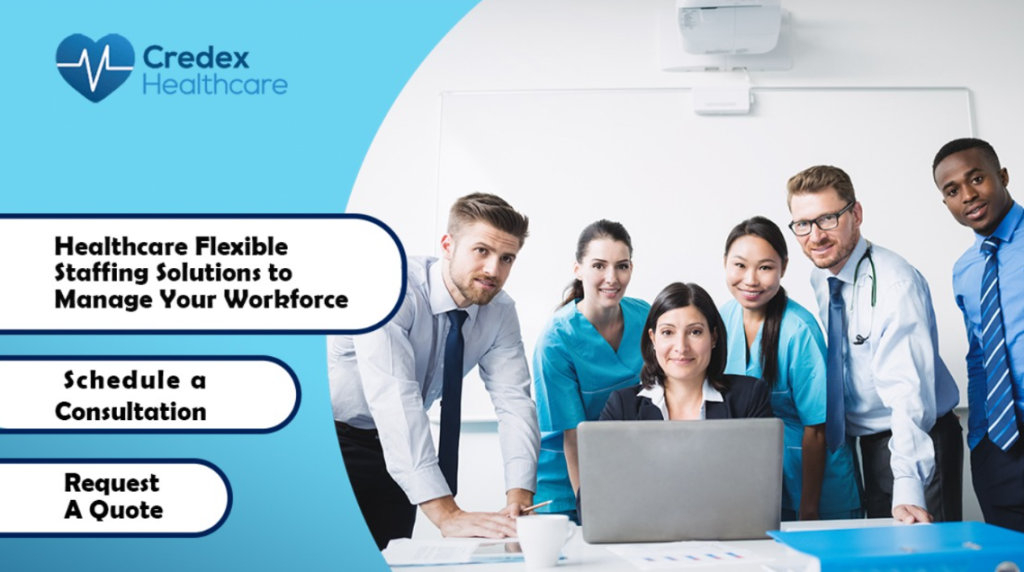
The American healthcare system is facing a staffing problem that has never happened before. 92% of healthcare organizations are actively exploring alternative staffing models for their facilities. Flexible staffing solutions in healthcare have emerged as a strategic need instead of a temporary fix that is reshaping patient healthcare.
Long-term shortages of doctors, nurses, and other healthcare professionals are increasing the trouble of hospitals and clinics all over the country. Many doctors quit permanent jobs to look for better work-life balance because burnout rates are still very high. At the same time, the number of patients is still going up as the population of the United States gets older and the rates of chronic diseases go up. All these factors are increasingly contributing to the staffing challenges in recruiting healthcare workers to meet the needs of today’s healthcare system.
That is when flexible healthcare staffing options get useful. Healthcare flexible staffing solutions are a new way to manage your workforce. Healthcare facilities can continue providing excellent care to patients without overworking their permanent staff. They can use temporary staffing, travel nurses, locum tenens physicians, per diem workers, and float pool arrangements while maintaining quality patient care without overburdening permanent staff.
Understanding Flexible Staffing in Healthcare
Flexible hiring choices are a collection of workforce techniques that enable healthcare facilities to vary the number of people who work there dependent on the number of patients, seasonal fluctuations, and personnel who do not show up for work. With traditional full-time programs, healthcare firms may not add or remove personnel as their requirements change. Hiring people in a flexible way makes these types of adjustments feasible.
Travel nurses are certified and work in several states for a brief period, generally approximately 13 weeks at a time. Locum tenens staffing enables physicians and other advanced practice professionals to locate short-term jobs. This kind of job typically fills essential gaps in rural or impoverished regions, and the physicians do not have to stay with the organization for very long. Finally, float pool nurses are like temporary workers in that they might work in various sectors of the same healthcare system.
Benefits of Flexible Healthcare Staffing Solutions
There are many benefits of flexible healthcare staffing solutions; some of the main points are as follows:
- Immediate Coverage for Critical Gaps
Flexible staffing allows rapid placement of trained professionals based on some unexpected opening in a healthcare facility, ensuring that a patient receives the utmost care.
- Cost Management and Budget Flexibility
Flexible staffing will help lower the total cost to healthcare organizations because it will no longer require them to pay benefits to full-time staff. They will also adjust staff according to patient needs.
- Reduced Burnout and Improved Retention
Flexible staffing helps reduce burnout among regular employees because it helps to evenly spread employees’ workload, thus ensuring a certain level of care quality and employee satisfaction.
- Access to Specialized Skills
Flexible staffing enables health facilities to employ specialized experts to meet specialized requirements without the cost of hiring these people.
- Enhanced Work-Life Balance for Healthcare Professionals
Flexible work arrangements attract healthcare professionals by offering them the freedom to choose their schedules, enhancing job satisfaction and retention.
Types of Flexible Healthcare Staffing Solutions
There are many flexible healthcare staffing solutions available to help hospitals and clinics to meet their requirements without affecting patient care.
- Travel Nursing Programs
The travel nurse hiring industry is one of the best on the market because it allows hospitals to maintain a certain standard of healthcare without having to burden their permanent employees too much. If an area has a lack of nursing staff, travel nurses usually visit other states with hospitals for 13-week programs. These people get excellent privileges and benefits in terms of travel expenses and completion rewards. Healthcare organizations can hire experienced RN staff, who can start work immediately, thanks to travel nursing programs.
- Locum Tenens Physician Staffing
Healthcare Organizations are slowly recognizing just how beneficial locum tenens physicians are, as evidenced by this category growing by 12% in 2024. These physicians with indefinite terms visit places where it is tough to find them, such as in rural areas. A locum tenens physician is a perfect solution to ensure that patients consistently receive medical attention whenever they are searching for a regular doctor, on vacation, or taking a sabbatical. In this process, everyone benefits. Organizations receive medical services, while doctors experience variety in this field with more autonomy.
- Per Diem and PRN Staffing
Per diem and other healthcare staff are not offered guaranteed hours and benefits but work when and if they are needed. This system benefits both parties: the facility obtains assistance when there are last-minute cancellation cases and when there are sudden jumps in patient numbers, and healthcare staff earn additional money and maintain their skills when changing careers. Since they are not entitled to any benefits, healthcare staff are always compensated at higher rates compared to full-time staff. This arrangement makes it an attractive venture for fully fledged doctors who may be looking to create time.
- Float Pool Programs
Internal float pools are made up of nurses who work for the facility and are trained to work in more than one area. When the population count goes up in one department or there are call-outs that cause gaps in staffing, float pool nurses’ step in to help. This internal model of flexibility keeps the existing setup the same while giving nurses the chance to change and vary their schedules. Float pool nurses typically receive higher pay than other nurses due to their flexibility and willingness to work where needed.
- Allied Health Professional Staffing
Recently, the allied health staffing sector has been growing by 10% as businesses see the benefits of flexible hiring in areas other than nursing and physiology. Radiology technicians, laboratory technologists, respiratory therapists, physical therapists, and occupational therapists could offer flexible work plans. These workers provide important services that the facilities need but may not necessarily require a full-time commitment.
How Flexible Staffing Solutions Improve Patient Care
Having enough staff and ensuring some of them have experience is crucial for providing excellent patient care. When there are not enough staff members at a facility, patients do worse, medication errors and mistakes become more common, and patient satisfaction drops sharply. Flexible staffing options directly address these quality concerns by making sure that there are enough nurses for each patient, even when there are not enough staff members scheduled.
Travel nurses and locum tenens doctors who have been doing their jobs for a while gather a lot of different practical experience from the many places they have worked. As a result of this wide range of experience, these professionals are often able to share best practices and new ways of doing things from other institutions, which leads to better patient care. Because they have been doing the same thing for so long, regular staff may not see the ways that new employees can help make things better.
95% of healthcare leaders think that better work-life balance would help people receive the care they need. Permanent staff provide better patient care when they are not worn out from too much overtime or unsafe situations caused by understaffing. Flexible staffing makes it easier for full-time workers to work reasonable hours with enough rest between their jobs. Healthcare workers who get enough sleep and have the support they need make fewer mistakes and give more compassionate and attentive care.
Flexible staffing also makes it possible for centers to quickly help more patients when they need to. During flu season, COVID-19 waves, or other unexpected public health problems, facilities can quickly add nurses and respiratory therapists to meet the higher demand. This surge ability protects the safety of patients during important times when permanent staffing alone is not enough.
Implementing Flexible Staffing in Your Healthcare Facility
Strategic planning and working with professional healthcare staffing agencies are both important for making flexible staffing options work. Start by looking at your facility’s staffing trends. Find the departments where employees leave the most often, the times of year when more staff are needed, and the jobs that are hardest to keep filled. These facts show us where flexible hiring will make the most significant difference.
Set clear ways for casual staff to get credentials and be trained. Flexible workers have a lot of experience, but they still need to learn about things like policies, electronic health record systems, and unit processes at their new workplace. A streamlined onboarding process lets new temporary workers start adding right away without compromising quality or safety.
Work with healthcare staffing companies that check out their pros carefully. At Credex Healthcare, we have strict standards for credentials so that every nurse, doctor, and allied health worker meets or goes above and beyond what their facilities require. Our full verification includes checking the license, confirming board qualification, reviewing malpractice insurance, and checking references from previous jobs.
Provide accommodations that help casual staff perform their jobs better. Temporary workers provide better care and are more likely to come back for future jobs when they feel wanted and accepted. Put preceptors in charge of helping with the first orientation, include staff with flexible schedules in team meetings, and acknowledge their exceptional work with patients. Effective programs and arrangements for temporary staff make those jobs more desirable, which brings in top talent when needs appear.
Keep an eye on the important numbers to see how well the temporary staffing program works. Keep an eye on the outcomes of your patients, the satisfaction ratings of your staff, your budget variance, and the number of people who take jobs that are open. Use this information to constantly improve your system by changing the mix of fixed and flexible staff to achieve the best results for both patients and the budget of your facility.
Technology’s Role in Modern Healthcare Staffing
The incorporation of AI-powered recruitment platforms and workforce management software improves efficiency in staffing operations. Technology has transformed how healthcare organizations connect with flexible staff and manage workforce deployment.
- AI-powered hiring platforms enhance staffing efficiency in healthcare.
- Digital tools enable nurses to view shifts, accept tasks, and complete compliance paperwork via mobile apps.
- Advanced scheduling software optimizes staff allocation based on patient needs and historical data.
- Predictive analytics help prevent critical staff shortages by identifying gaps and recommending flexible staffing solutions.
- Credentialing technology accelerates the verification process, reducing it from weeks to days.
- Telehealth technology offers flexibility in job locations, allowing healthcare providers to deliver remote care.
- The rise of telehealth increases the availability of jobs for traveling healthcare professionals.
The Future of Flexible Healthcare Staffing
97% of healthcare organizations plan to choose more flexible work arrangements in the next years, which shows that flexible staffing is not just a trend but the future of managing the healthcare workforce. The industry is moving toward hybrid staffing models that mix regular core staff with flexible workers who have specialized skills and can help when there is a lot of work.
- Acceptance of Flexible Work Arrangements across Career Stages
The healthcare employees at any stage of their career are more willing to be content with flexible arrangements. Newly graduated nurses rely on travel nursing as an opportunity to experience the working environments of various locations and select a standard occupation. Individuals who have been working some years tend to accept per diem jobs to work with a better balance in life. The experienced doctors in their late fifties do locum tenens work as they approach their retirement period, thus materializing their skills while reducing work intensity.
- Strategic Integration of Flexible Workers
Healthcare organizations are devising more elaborate means of making their employees flexible. Rather than viewing a casual worker as a person who can only be employed in situations where there are no other choices available, smart companies embrace these flexible workers in the strategic planning of their workforce. They are establishing relationships with preferred providers with some agencies, developing in-house float pools, and developing cultures that view and treat contract employees as key contributors to the team.
- Impact of Value-Based Care on Staffing Strategies
The issue of value-based care and population health management is gaining prominence, and this affects flexible hiring. With healthcare firms taking up financial accountability of patient outcomes across the continuum of care, it is necessary to be capable of moving workers to put resources at the point and time where they are needed most. Adaptive public health methods can be implemented by use of flexible staffing.
FAQs
What is flexible staffing in healthcare?
Flexible staffing includes temporary, per diem, travel nursing, locum tenens, and float pool arrangements. It allows healthcare facilities to adjust workforce levels based on changing patient demand and staffing needs.
How much do flexible healthcare staff cost compared to permanent employees?
Although hourly wages are often higher, overall expenditures may be cheaper when benefits, paid time off, recruiting charges, and budget flexibility during low-census times are considered.
How quickly can facilities bring in flexible staff?
Consulting with expert staffing companies, like Credex Healthcare, their qualified professionals can often start within days to weeks, depending on credentialing requirements and availability.
Do flexible staff provide the same quality care as permanent employees?
Yes, flexible healthcare professionals provide quality healthcare, as they are experienced, fully credentialed clinicians. They bring valuable diverse experience from working at multiple facilities.
What’s the difference between travel nursing and per diem nursing?
Travel nurses work full-time projects that are typically 13 weeks away from home, while per diem nurses do not have fixed hours and work shifts one at a time in their own area.
Can small healthcare facilities benefit from flexible staffing?
Yes, small facilities often need flexible staffing the most because they do not have the budget for a sizable permanent staff but still need to be ready for unexpected patients and urgent needs.
Conclusion: Partner with Expert for Your Staffing Solutions
Credex Healthcare understands the issues that healthcare institutions confront in maintaining an appropriate workforce, reducing expenses, and providing excellent patient care. Our complete flexible staffing solutions link your institution with experienced, fully qualified healthcare workers who are ready to contribute from the start.
We prioritize the hiring of nurses, physicians, allied health professionals, and administrative personnel in all sorts of healthcare settings. Our extensive and efficient credentialing procedure guarantees that all employees fulfill the highest requirements. Credex Healthcare provides various staffing alternatives to meet your specific requirements, ranging from short-term assistance to full-time employment.
Flexible and adaptable staffing plans that put the strength of healthcare workers and the quality of patient care first are the way healthcare will go in the future. By using flexible staffing options, your facility can deal with workforce issues and keep giving your community the great care they deserve.
Contact Credex Healthcare today to discover how our flexible staffing solutions can transform your workforce management and improve outcomes for patients, staff, and your entire organization.