Skip to content
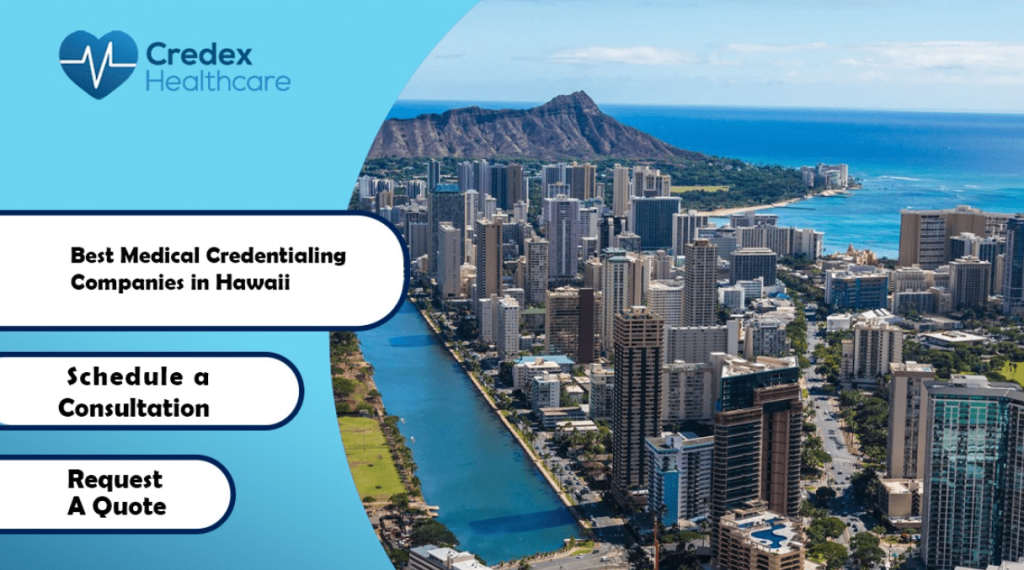
Hawaii has a unique healthcare system that features world-class medical facilities, dedicated healthcare professionals, and patients who prioritize quality care. However, healthcare credentialing in Hawaii presents distinct challenges and requires strict adherence to industry standards, including those set by the National Committee for Quality Assurance (NCQA), The Joint Commission, and the Centers for Medicare & Medicaid Services (CMS). These standards ensure provider qualifications, patient safety, and regulatory compliance and are essential for practitioners wishing to participate in payer networks across Hawaii and the U.S. mainland.
Hawaii has a share of credential problems. Island-based activities make distance and logistics more difficult. Hawaii’s insurance market is smaller, with fewer payers but closer ties among them. State-specific rules further complicate compliance. Island communities that lack adequate administrative support find outsourcing credentialing services very helpful.
This comprehensive guide explores some of the best medical credentialing companies in Hawaii. Whether you’re practicing in Honolulu, Maui, the Big Island, Kauai, or any of Hawaii’s communities, this guide will help you select the credentialing partner best aligned with your practice needs and values.
Understanding Healthcare Credentialing in Hawaii
For healthcare providers, credentialing is the essential process of verifying professional qualifications, training, licensure, and competence in accordance with recognized industry standards such as NCQA, URAC, and The Joint Commission. Proper credentialing is required for network participation, insurance claims submission, directory listings, and access to reimbursement mechanisms that are critical to sustainable practice. Failure to comply with industry-aligned credentialing protocols can result in denial of network access, delayed payments, and regulatory penalties.
Why Hawaii Credentialing Is Unique
Hawaii’s health care market is very different from the rest of the US. There are several things that make the credentialing environment in the state unique:
Hawaii has fewer insurance companies than the rest of the country. Hawaii has several large national insurers, but most of the plans are regional or state-specific. The Hawaii Medical Service Association (HMSA) is the largest provider and holds a significant market share. Because of this focus, credentialing must give Hawaii-specific payers more weight than national ones.
Hawaii’s medical credentialing rules, in conjunction with federal Medicare and Medicaid standards, require rigorous attention to compliance and documentation. Healthcare providers must meet both state-specific requirements, such as liability insurance minimums and Hawaii Medical Board expectations, and national standards set by organizations, such as NCQA and CMS. This dual compliance ensures that credentialing processes keep the practice safe from legal issues or audit risks.
Additionally, Hawaii prioritizes community treatment. Because Hawaii’s healthcare groups are smaller, provider relationships and reputation are crucial. Credentialing experts who understand Hawaii’s healthcare system know how these groups interact.
Best Medical Credentialing Companies in Hawaii
All the factors discussed above make partnering with a credentialing provider familiar with Hawaii invaluable. To help you choose the right credentialing partner, the following are some of the top medical credentialing companies in Hawaii.
Credex Healthcare

With its proven experience, open operations, and dedication to the success of Hawaiian healthcare providers, Credex Healthcare has become Hawaii’s leading credentialing company. Credex Healthcare has a comprehensive understanding of the Hawaii healthcare market. Their team has extensive knowledge of Hawaii’s insurance market and state healthcare regulations and operations.
Credex Healthcare works closely with HMSA, Hawaii’s largest payer, and a major player in the business insurance market. They are also responsible for credentialing state Medicaid programs, UnitedHealthcare Hawaii, Humana Hawaii, Kaiser Permanente Hawaii, and other major Hawaii payers.
Credex Healthcare demonstrates a deep understanding of Hawaii’s state medical credentialing requirements, the Hawaii Medical Board’s expectations, and federal Medicare and Medicaid rules. Their processes are built to align with industry standards, such as NCQA and The Joint Commission, ensuring comprehensive documentation, primary source verification, and ongoing compliance monitoring. This reduces risk, prevents costly errors, and supports providers in maintaining full regulatory compliance from the outset.
Credex Healthcare understands the practical issues that arise in Hawaii’s healthcare practice, such as communicating over long distances, moving between islands, and delivering community-based care. Their method of credentialing support is based on what they know.
Capline Healthcare Management
Capline Healthcare Management has established relationships with payers and offers integrated credentialing, billing, and revenue cycle management services at fair prices. The credential company excels at coordinating payments and credentialing through a single vendor, streamlining administration.
But their specialty is not Hawaii-specific credentials. It is more general for healthcare management. This makes them less suitable for businesses that need to gain an extensive understanding of the Hawaii market and HMSA specialization.
CureMD
CureMD offers cloud-based services that combine electronic health record (EHR) systems with office management, billing, and credentialing on a single platform. The all-in-one approach works well for modern businesses looking to go fully digital. Their focus is on EHR, though, not credentialing. If credentialing is your main need, a bundled price may not be the best deal.
PracticeWorx

For independent practitioners and small-group practices on a tight budget, PracticeWorx offers credentialing and revenue cycle services, along with affordable practice management software. Their strength is that they are affordable and easy for smaller businesses to use. But a smaller team can slow work during busy periods, and there isn’t much Hawaii-specific knowledge.
PayrHealth

PayrHealth is suited for hospitals and large healthcare systems that need to manage various providers, as it combines credentialing with staffing and workforce management solutions. Their strength is making it easy for new providers to join. But the company works best for larger businesses, not for independent professionals who just need simple credentialing help.
Credentialing USA
Credentialing USA offers clear price models and technology-enabled credentialing services, including self-service and professional support options. Their cloud-based portal lets you see the state of your credentials in real time. However, the technology-based plan offers limited personal support, which could be a problem in Hawaii, where payers need to navigate complex situations.
credentialing.com
Credentialing.com makes credentialing easier by streamlining online processes and making pricing transparent, eliminating hidden costs. The company stresses simple speed and ease of access. But their streamlined approach might make it harder for them to handle complex situations or provide deep, personalized help for credentialing issues that occur only in Hawaii.
MediBillMD

The company specializes in the integrated process of credentialing with billing optimization and financial management. However, credentialing may not receive the same priority as billing functions, making it more suited to billing-primary practices than to those seeking dedicated credentialing support.
Evaluating Credentialing Companies for Your Hawaii Practice
Hawaii market expertise. Does the company know about Hawaii’s unique payer market, state rules, and how things work there? Local knowledge directly affects speed and success.
HMSA specialization. Can they find their way around Hawaii’s main payer (i.e., HMSA)? For effective network participation in Hawaii, this feature is a must.
Transparent pricing. There should be no hidden fees or costs. Being clear about prices lets you make accurate budgets and compare providers fairly.
Proven Hawaii track record. Do they have a track record of working with Hawaii-based healthcare providers? Your previous approvals show that you are capable and reliable.
Processing speed. What dates are they willing to actually stick to? Trustworthy companies know that Hawaii’s geography means they cannot make unrealistic speed claims.
Customer communication. Is the credentialing process clearly tracked? Can you get in touch with a dedicated credentialing expert? Regular contact makes people feel more confident and less uncertain.
Compliance expertise. Do they have proven expertise in Hawaii state regulations, federal requirements, and recognized industry credentialing standards (NCQA, CMS, The Joint Commission) that Hawaiian healthcare providers must adhere to?
Benefits of Professional Credentialing Services for Hawaii Providers
Accelerated Network Participation and Revenue Generation
Obtaining professional credentials speeds up the process of joining a network by a large amount. Getting help from professionals can often speed up tasks that would take a Hawaii business 4 to 6 months to finish on its own. The result makes it faster for insurance payments to be sent in and helps the practice’s cash flow.
Reduced Administrative Workload
There is a lot of work and time that goes into getting credentials. When you hire professionals, your clinical and administrative staff can focus on taking care of patients instead of having to figure out complicated licensing processes.
Enhanced Compliance and Regulatory Protection
Professional credentialing teams ensure that applications are complete, correct, and follow all Hawaii rules and national standards, like those set by NCQA, The Joint Commission, and CMS. Following best practices that are common in your business also helps with improving quality all the time and keeping patients safe.
Improved Practice Cash Flow
You can start the network faster if your keys are faster. This makes it faster to enter a claim and pay you. The practice’s finances are better when its cash flow processes are optimized. This gives it the money it needs to grow and spend.
Minimized Claims Denials
If all of your credentials are correct and full, claims will not be turned down because of problems with the network, license verification, or breaking the rules. This leads to more sales, so the company is now making more money.
Frequently Asked Questions
How long does medical credentialing take in Hawaii?
The process starts 8 to 16 weeks after you apply for credentials. Hawaii has longer wait times than mainland states because it is farther away, and there are fewer buyers there. Credex Healthcare and other professional credentialing services can speed up the process by sending in the full application and following up with providers on their own.
What documentation do Hawaii healthcare providers need for credentialing?
The documents include a legal Hawaii medical license from the Hawaii Medical Board, board qualifications, schooling records, DEA registration, an accident insurance certificate, and professional recommendations. Background checks, original source verification, and continuing tracking may be added as well. These are all in line with NCQA, CMS, and The Joint Commission guidelines. There may be extra paperwork that major Hawaii payers, like HMSA, need to meet state and business standards for credentials.
Is credentialing required for all Hawaii healthcare providers?
Anyone who wants to send bills to Medicare and Medicaid or other insurance companies needs to get qualifications. It is important for hospitals, urgent care centers, specialty clinics, single practitioners, and group practices to get qualifications. HMSA, Hawaii’s main payer, needs passwords to join the network.
Can credentialing companies guarantee faster HMSA approvals?
It is not possible for professional credentialing companies to promise HMSA approval times because the payer is in charge of the process. But Hawaii-based businesses with a lot of experience can cut down on wait times at HMSA by sending quick applications and making connections with payers.
What are the consequences of incomplete credentialing in Hawaii?
By getting credentialed on time, you can join the Hawaii payment network and other networks. It can also keep you from filing insurance claims, which can lower your income, delay the start of your business, and cost you a lot of money. Problems with credentials can also lead to reports or fines for the payer. These risks are much smaller when professional qualifications are supported.
Conclusion
Do not let delays in getting credentials stop the growth of your Hawaii business. With the right partner, you can confidently join Hawaii insurance networks, accelerate your cash cycle, and focus on providing Hawaii communities with the best possible patient care.
Hawaii’s healthcare system requires credentialing partners with deep expertise not only in operational processes, but also in Hawaii’s unique insurance market, regulatory landscape, and the specific credentialing protocols of HMSA and other major payers. Partners must demonstrate proficiency in industry standards (NCQA, CMS, The Joint Commission), ensuring that every credentialing step meets both local and national quality and compliance requirements.
Honolulu’s Credex Healthcare is the clear market leader thanks to its deep knowledge of Hawaii’s credentialing landscape, HMSA specialization, wide range of Hawaii-focused services, transparent pricing that removes cost uncertainty, quick turnaround times despite geographical challenges, and unwavering dedication to the success of Hawaiian healthcare providers.
Ready to streamline your credentials and accelerate Hawaii insurance network participation? Contact Credex Healthcare today for a complimentary consultation with Hawaii credentialing specialists. Our team understands the unique challenges you face on the island and is ready to help you achieve credentialing success.