Best Credentialing Companies for Internal Medicine

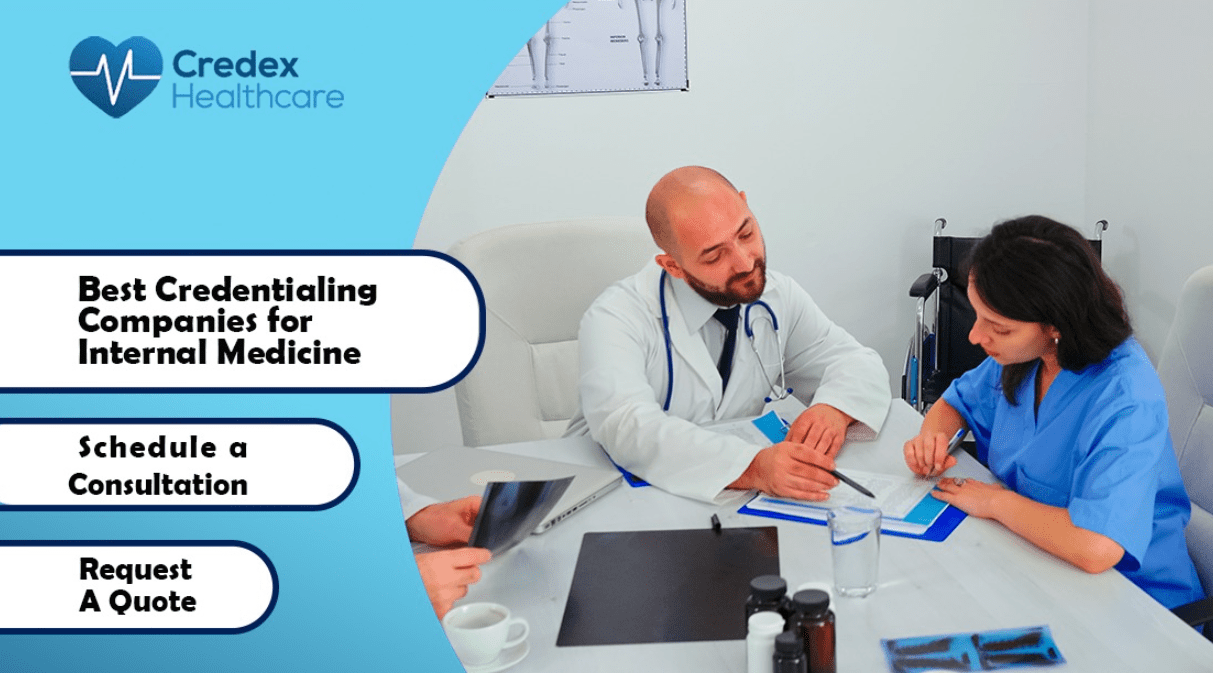
Internal medicine is often defined as a specialty of primary care that looks after the treatment and diagnosis of complex conditions in adults. As a physician, you must work with a wide range of conditions, and managing care should be your top priority. Finding a dedicated partner among the best credentialing companies for internal medicine can be difficult.
Credentialing for internal medicine requires accurate management of documents and filing specific to state and payer requirements. Hence, experience and professionalism are a must while you look for a credentialing partner to help you work with patients and not worry about paperwork.
Why Internal Medicine Credentialing Services are Crucial
Finding a partner that can help you with tailored solutions in internal medicine credentialing can be a blessing. Some of the reasons why expertise is needed in credentialing will be:
- Payer-Specific Requirements: Internal medicine has a broad scope and requires managing documents according to state and insurance-specific regulations. Most providers find it difficult to handle the paperwork according to the regulatory mandates, and that can delay the process of approval unless handled by an expert team.
- Verification Demands: Collecting key documents and verifying them requires knowledge of the latest guidelines. In most cases, finding a trustworthy team that can handle all primary and secondary source verification needs is difficult.
- Risks with Noncompliance: A lot of errors can creep into your practice management ecosystem unless precise checks and balances are implemented with resources that know how to work with the process of recredentialing, which can eliminate risks that threaten your practice’s compliance.
- Contract Negotiation: Deciding the terms and conditions with insurance networks, creating or updating your PECOS profile, and helping you enroll with payers requires experience and knowledge of both federal and private plans.
Key Services in Internal Medicine Credentialing
- Provider Enrollment: Initial filing, onboarding support, and CAQH profile setup will be completed. The documents will be collected, and efforts will be made to ensure that there are no gaps in filing the application according to state-specific regulations.
- Verification of Documents: The details of educational qualifications, work history, and licenses will be verified. The credentialing team will be validating the information shared, checking to see that the information provided matches the precise requirements of the insurance networks.
- Recredentialing Services: All compliance management activities will be performed with an extensive process of recredentialing. Understanding that credentialing is not a one-time activity, care will be taken to address any compliance risks, which will help you remain safe and compliant.
- Insurance Enrollment Support: Extensive negotiation of contract terms, working with the PECOS profile, and supporting enrollment with the desired insurance networks. It allows you to work with more patients and receive consistent reimbursements for services delivered.
Major Challenges in Internal Medicine Provider Credentialing
- Licensing Requirements Across States: Adhering to the IMLC requirements, managing license renewals in accordance with state regulatory requirements is not easy. In most cases, documents are often submitted with missing information, which creates gaps and results in delays with approvals and renewals of licenses.
- Insurance Coverage Demands: A lot of internal medicine providers find it extremely difficult to get enrolled with the right mix of payers. Managing your credentialing process according to strict insurance guidelines can be tough, and your in-house team struggles to manage the details with precision.
- Huge Patient Volume: Internal medicine requires working with patients with a wide range of conditions. Managing clinical priorities and working on credentialing takes its toll on your in-house resources and hinders your practice’s core functions. An experienced partner can help you resolve these challenges with expertise.
Benefits with Internal Medicine Credentialing Outsourcing
- Faster Approvals: Accurate filing from expert credentialing professionals ensures that there are no missing details with information shared with insurance and state boards. It helps reduce turnaround time and improves the first-pass rate, leading to quicker approvals.
- Patient Focus: As you outsource your internal medicine credentialing needs, your resources get time and space focused more fully on patient care, improving their experience with your practice. It enhances your ability to care for patients as a dedicated team is working on your credentialing mandates.
- Improved Payments: A quality internal medicine credentialing company knows how to work according to the latest regulations, and as such, they will help you get into the right insurance networks. You will be able to see more patients and receive better payments that will transform your revenue-earning potential.
- Cost-Effective Rates: Credentialing services are offered by companies depending on the specialty and payer networks involved. The service rates are extremely affordable, and you get the peace of mind knowing that an experienced team is working on the process.
Top Internal Medicine Credentialing Companies
Credex Healthcare

The company is a leader in the world of medical credentialing, licensing, and RCM services and has been in business for more than a decade. They specialize in offering tailored solutions to leading healthcare specialties with maintenance, onboarding, enrollment, and compliance management activities.
CureMD
The organization is a leader in the field of healthcare credentialing and offers its own software for EHR integration. It also offers competitive support and delivers tailored solutions to meet all onboarding, renewals, and recredentialing needs of the providers.
NCred

A trusted name in the world of healthcare credentialing, the company works as an operational partner for some of the largest healthcare specialties across the country, with excellent references. They excel in offering competitive solutions with provider and payer enrollment, as well as offering onboarding assistance.
Medbill

Another notable service provider in the field of medical credentialing. The organization takes pride in working as a dedicated extension for the largest hospitals and health systems in the country and delivers support in compliance, management, renewals, and credentialing.
Verisys

A top provider of quality healthcare credentialing services across forty-plus specialties. The company has been in business for a long time and specializes in delivering customized services that meet its clients’ unique credentialing demands.
Conclusion
The choice of the right credentialing company for your internal medicine practice will be an extremely important aspect. It will define your growth and make sure that you are able to work with patients who are covered by leading insurance networks and help you get paid consistently over time. Outsourcing offers you the opportunity to improve patient focus and worry less about credentialing.
FAQs
How long does internal medicine credentialing take?
The credentialing process for internal medicine can take anywhere between 90 and 180 days and depends on the accurate submission of documents that help in quicker approvals.
Which payers do internists need to enroll with?
Internists can enroll with both federal and private insurance plans such as Medicare & Medicaid, BCBS, Aetna, and Cigna, among others.
Is CAQH mandatory for internal medicine?
Yes, CAQH is a mandatory criterion for internal medicine credentialing as it decides how the provider will be storing and managing information with multiple insurance networks.
What documents are required for internal credentialing?
The main documents needed for internal credentialing will be details of work history, educational qualifications, licenses and details with board certifications.
Do internal medicine hospitalists require separate credentialing?
Yes, the internal medicine hospitalists need separate credentialing as it is essential for obtaining specific hospital privileges and working with payer networks.
Related posts

Popular Posts

Best Credentialing Companies for Intensive Care Medicine

Best Credentialing Companies for Hepatology

Best Credentialing Companies for Internal Medicine
Testimonials
As a Homecare agency, navigating credentialing and enrollment can be a headache, but Credex Healthcare made it simple and straightforward. They took care of everything from our NPI management to PECOS enrollment, ensuring compliance at every step. Their expertise in primary source verification and network research helped us expand our network, allowing us to provide care to more patients. Highly recommend!

Homecare Agency Owner
Credex Healthcare has been an invaluable partner for our multi-specialty group practice. They handled all our credentialing and enrollment needs, ensuring every provider was up-to-date across insurance networks and credentialing portals like CAQH and PECOS. Their ability to track and manage multiple providers’ licenses and certifications has saved us a tremendous amount of time and reduced our administrative burden.

Pediatric Group
Running a lab comes with its own set of compliance challenges, but Credex Healthcare has taken care of it all. They managed our CLIA waiver, credentialing, and enrollment processes, ensuring that we met every regulatory requirement. Their attention to detail and ability to handle complex credentialing issues has allowed us to focus on our operations without worrying about missing deadlines or facing compliance issues. Exceptional service!

Lab Director
Credex Healthcare has been a game-changer for our HomeHealth agency. They managed our credentialing process from start to finish, ensuring all our licenses, DEA registrations, and CAQH profiles were up to date. Their expiration tracking system is incredibly helpful in keeping everything in check. Thanks to them, we can focus on delivering quality care to our patients without worrying about administrative hurdles.

HomeHealth agency Owner
Credex Healthcare has been amazing to work with. As a Nurse Practitioner, they took care of everything, from managing my NPI and PECOS enrollment to handling all my licensing and revalidation requirements. Their support has allowed me to concentrate fully on patient care, and their thorough primary source verification ensured that my credentials were always accurate and up to date. I couldn’t ask for a better partner!

Nurse Practitioner (NP)
I’ve had an outstanding experience with Credex Healthcare. They took over my credentialing, managed my CAQH profile, and handled my DEA registration with ease. Their team made sure my practice stayed compliant and helped me with network research and application follow-up. I don’t know what I would do without them handling all the administrative tasks!